How contemporary artists build brand equity without dilution.
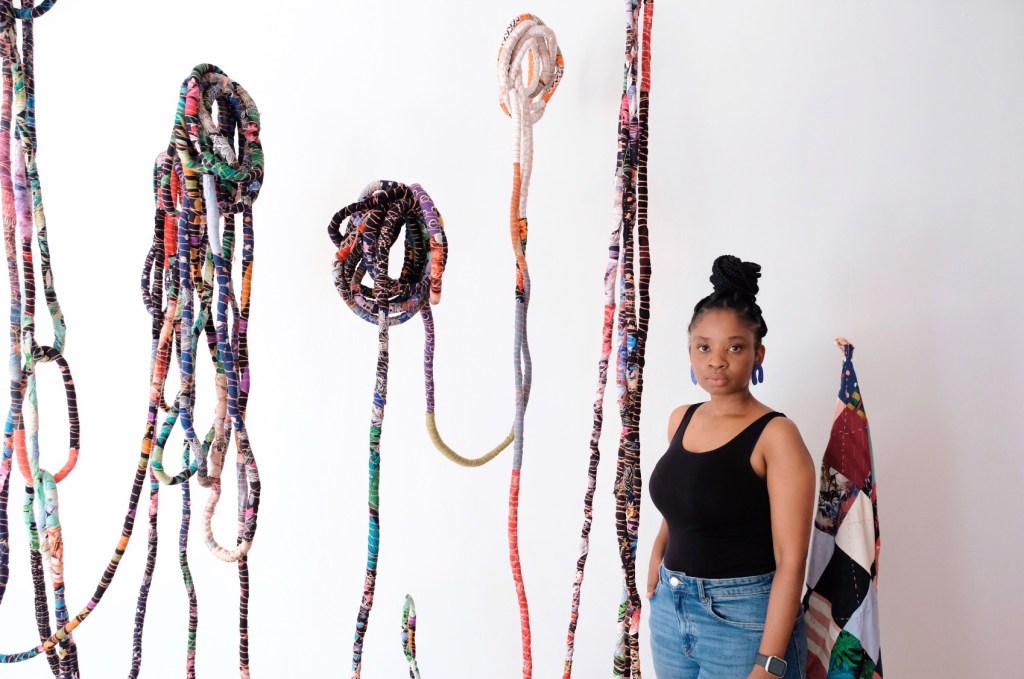
Image: Supplied by Ditiro Mashigo
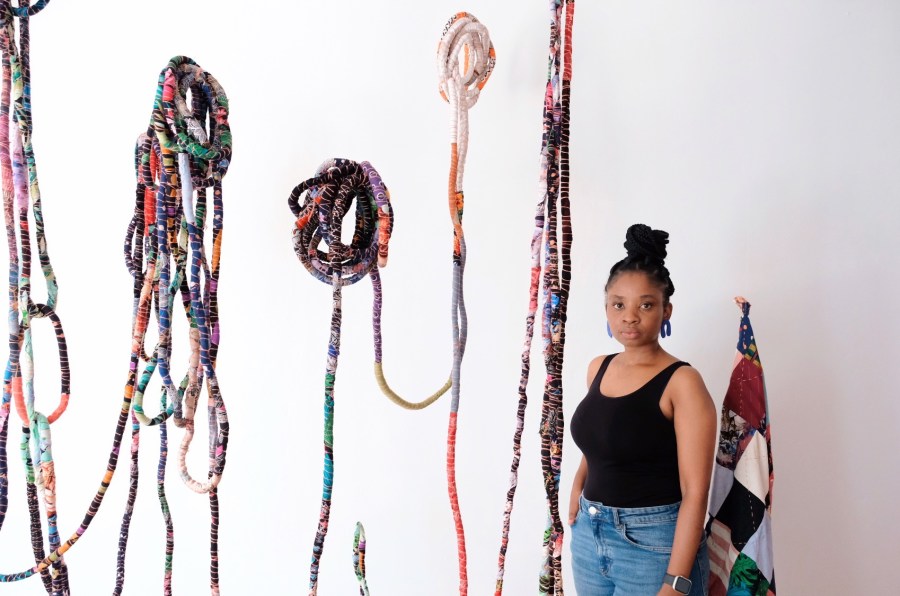
Our first interview of the year is extra special to me because the multidisciplinary artist is a childhood friend of mine. I have known Ditiro Mashigo since childhood, long before the exhibitions, accolades, and institutional recognition, and watching her become the artist and designer she is today has been one of my proudest moments. Even then, she was a trendsetter, instinctively creative, and always ahead of her time. Born in Lebowakgomo and working between Limpopo and Johannesburg, Ditiro’s practice sits at the intersection of art, fashion, memory, and spirituality. Trained across fashion, textiles, and fine art, she works with fiber, painting, printing, and tactile sculpture to explore African aesthetics, cosmology, lineage, and womanhood.
Her work has been presented in notable exhibitions, including the Art After Baby dual exhibition at Keyes Art Mile and textile-focused platforms such as Written in Thread. In 2022/23, she was awarded the Sustainable Together Collaboration grant by the Goethe-Institut, British Council, and Twyg, and in 2024 she completed the STILL Art residency at the Ellis House Artist Building in Johannesburg’s CBD. She is also a Design Indaba alumna and served as a curator for the Emerging Creative Festival class of 2022.
What sets Ditiro apart is her refusal to separate disciplines. Her art extends seamlessly into her fashion practice as the founder of the high-craft label Serati, where garments operate as moving, culturally grounded artworks. This sensibility has also translated into design beyond the body through a home collection created in collaboration with a major national retailer. Our conversation reflects on a practice built with intention, integrity, and cultural depth, and on an artist whose work continues to shape how contemporary South African creativity is seen, valued, and remembered.
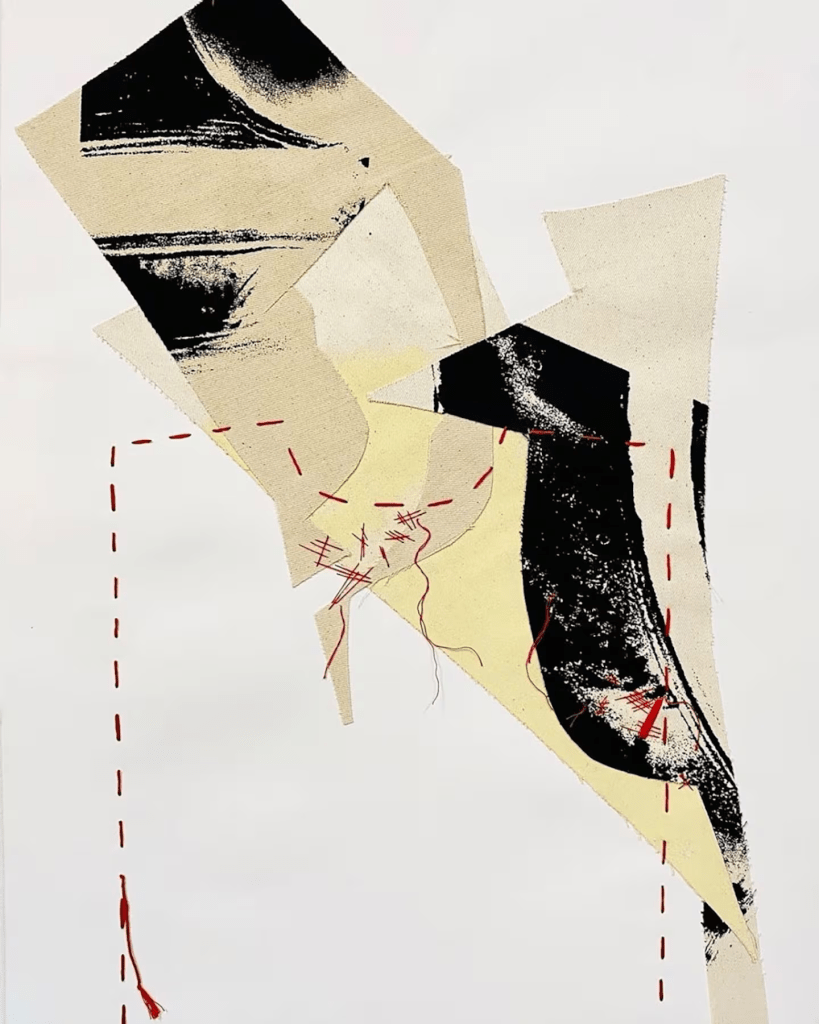
Image: http://www.wantedonline.co.za
Your work sits at the intersection of textile, fashion, fine art, and cultural storytelling. How have you intentionally crafted your personal brand to reflect that multidisciplinary identity, and in what ways do you believe your brand amplifies the visibility and market value of your art ; especially when engaging with high-end clients or entering luxury markets?
My personal brand is not separate from my practice, it is my practice. I intentionally embody the work I make. Everything I produce is shaped by lived reality: by recognizing the specificity and urgency of being a Black woman artist working in South Africa at this moment in history. Rather than distancing myself from that position, I have anchored myself to the canon by contributing from within it; not only through the objects I create, but by existing as a living testament to the viewpoint I work from.
The intersection of textile, fashion, and fine art is not strategic hybridity for me; it is cultural truth. These disciplines have always overlapped in African knowledge systems, where cloth carries memory, labor, status, and spirituality. By foregrounding that lineage, my brand communicates depth, authorship, and intention; qualities that high-end and luxury markets increasingly value. Collectors and clients are not only acquiring an artwork; they are entering a lineage, a narrative, and a worldview that is coherent, embodied, and culturally grounded.
Looking forward, I see my brand evolving into one that operates comfortably across galleries, institutional collections, and bespoke luxury collaborations without dilution. My aim is not scale for its own sake, but longevity. To build a body of work and a public presence that holds cultural weight while remaining materially and conceptually rigorous. In that sense, visibility becomes value, not as spectacle but as sustained relevance.
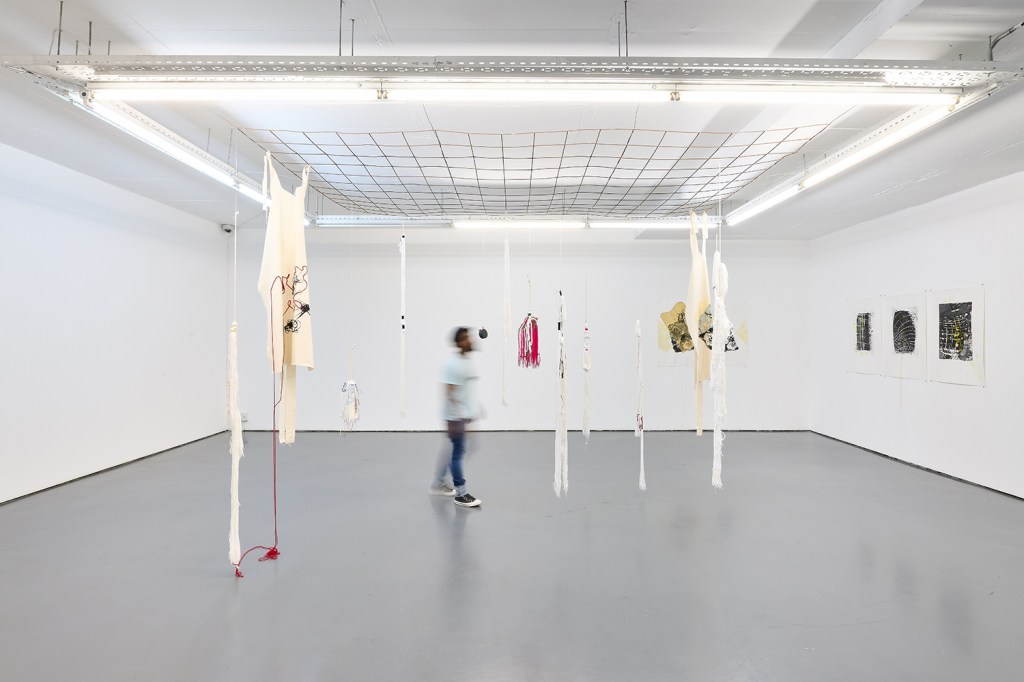
Image: http://www.ditiromashigo.co.za
From your experience, how is the South African contemporary art landscape perceived commercially; both locally and internationally? What gaps or opportunities do you see for South African artists in luxury sectors, collectors’ circuits, and global galleries?
South African contemporary art is commercially respected for its conceptual strength, yet internationally it is often framed through narrow narratives of politics or transition. While these histories matter, they do not fully capture the material intelligence, cultural depth, and formal innovation present in many practices.
Art historians, particularly those writing on African and South African art, play a crucial role in shaping international perception. Their writings create context, permanence, and critical legitimacy. For collectors, this matters. Confidence grows when an artist’s work is supported by scholarship, positioned within broader discourse, and recognized as contributing to knowledge production rather than momentary trends.
In luxury and global collecting circuits, narrative and longevity are key. Collectors invest not only in objects but in artists whose practices are culturally resonant and whose value can grow over time. The opportunity for South African artists lies in strengthening relationships between artists, historians, curators, and institutions, thus ensuring the work circulates with both intellectual and market integrity.
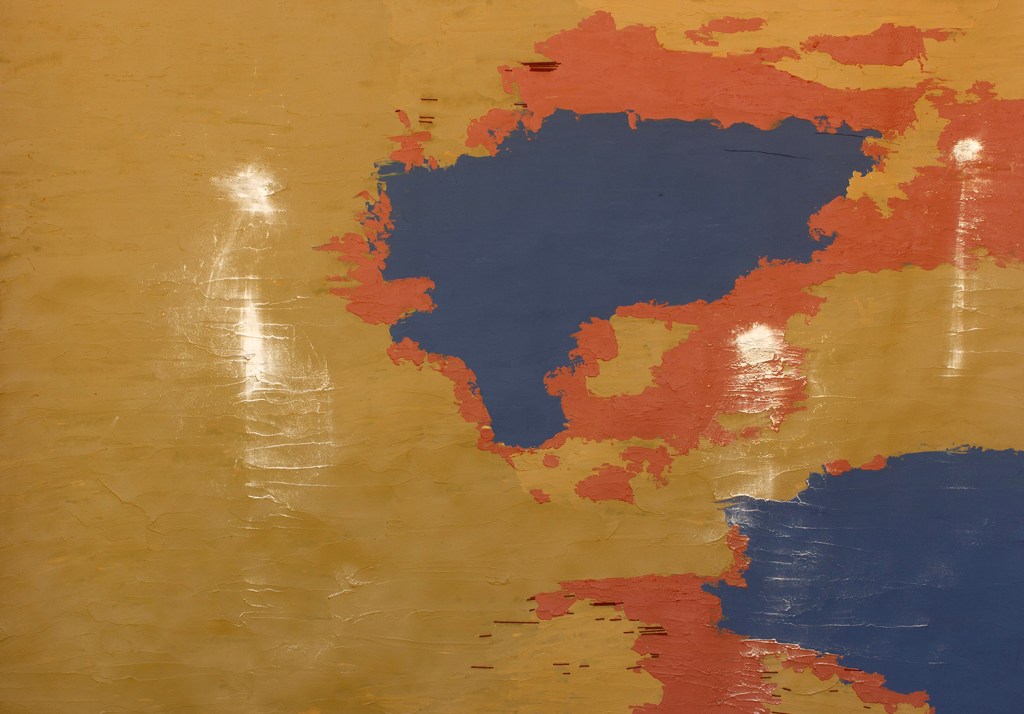
http://www.ditiromashigo.co.za
In the context of luxury brands and high-end cultural experiences, storytelling and heritage are key differentiators. How do you integrate your Sepedi cultural roots and spiritual influences into works that appeal to discerning collectors and luxury collaborators and how do you balance tradition with commercial desirability?
I begin by being attentive to what my audience knows (and doesn’t know) about my culture. That awareness comes through engagement. I invite people into my world through storytelling, creating space for exchange rather than instruction. In those moments, shared experiences surface: different contexts, similar emotions, parallel ways of understanding belonging, memory, and spirituality.
My Sepedi cultural roots and spiritual influences are not applied as surface references; they operate as inherited, intuitive knowledge systems that guide how I create. The balance between tradition and commercial desirability emerges through material intelligence. My background in fashion sharpens my sensitivity to craftsmanship, finish, and material value, these are elements that discerning collectors and luxury collaborators recognize immediately.
Luxury, for me, is not excess. It is intention. It is the care in material choice, the discipline of process, and the depth of narrative carried within the work. By sharing this openly, I allow the work to remain culturally grounded while circulating confidently within global, high-end cultural spaces.
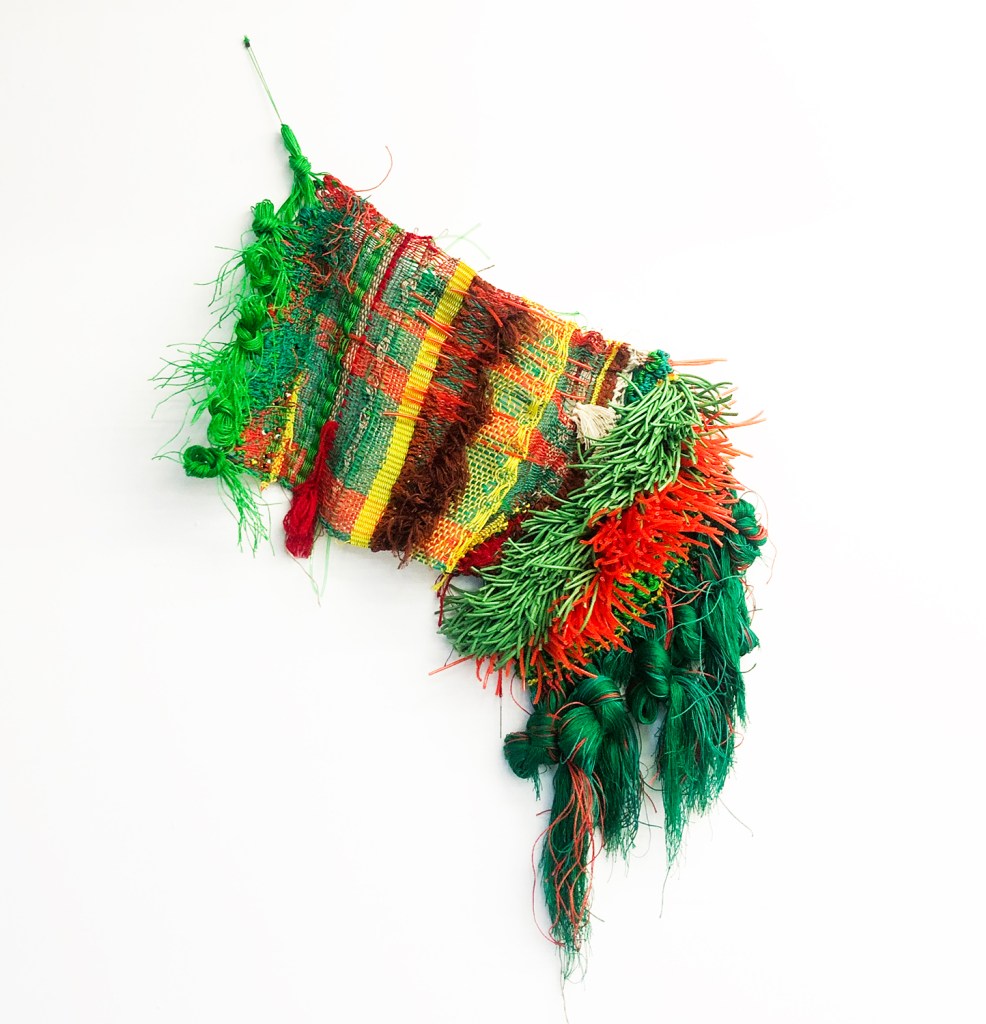
http://www.ditiromashigo.co.za
You’ve built a strong artistic identity, but the art world still runs on gatekeepers: galleries, curators, institutions, collectors. In your opinion, what matters more for a South African artist today: a strong public-facing personal brand or institutional validation; and how do you balance the two without losing momentum?
For a South African artist today, longevity depends on balance. A strong public-facing brand creates visibility, momentum, and access, while institutional validation offers depth, context, and long-term credibility. One without the other can be limiting, visibility without infrastructure fades quickly, and validation without public engagement can stall.
That balance is difficult to maintain, which is why a healthy ecosystem around artists is so crucial to the South African art experience. Artists need galleries, curators, writers, collectors, and institutions working in dialogue rather than isolation. When these structures support one another, artists are able to sustain both critical relevance and market presence without burning out or being reduced to trend.
Ultimately, momentum is protected when an artist is not forced to choose between visibility and legitimacy. The work should circulate publicly while being anchored institutionally; allowing growth that is measured, ethical, and lasting.
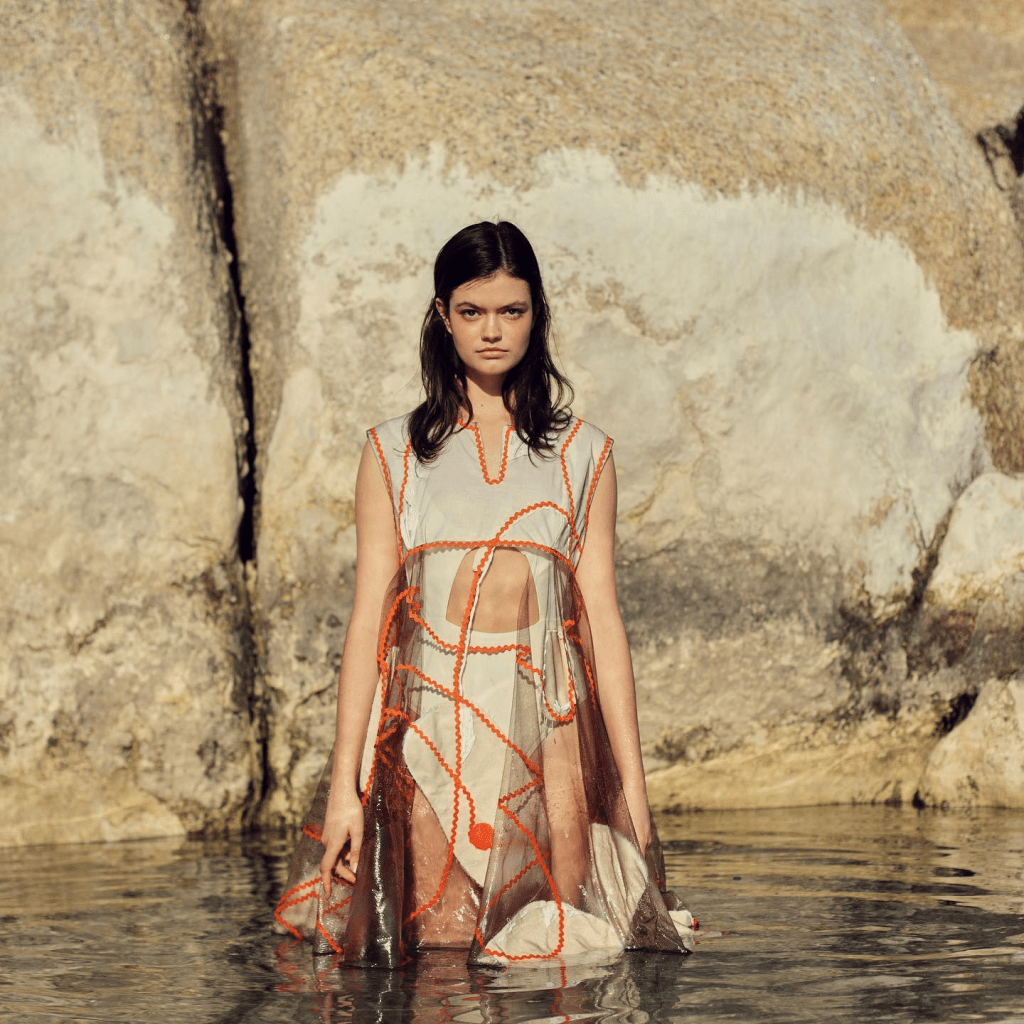
Image: Supplied by Ditiro Mashigo
Not every brand collaboration is a point of distinction; some dilute focus and momentum. What does an ideal collaboration look like for you, and what are the key signals you look for to know a brand is aligned with your work (values, audience, craft integrity, budget, storytelling, cultural respect)?
This is something I wish I had fully understood ten years ago. Not every collaboration is a win, and discernment comes with experience. An ideal collaboration begins with clarity, clear expectations, roles, and a solid financial structure. The terms of the collaboration cannot be fluid unless the relationship itself is strong enough to hold difficult, honest conversations. Vague language around deliverables, timelines, or value is often where momentum and trust break down.
Ethics matter deeply to me. A brand that holds itself to high standards in quality, labour practices, cultural responsibility, and overall integrity is a genuine point of distinction. I pay close attention to how a company operates behind the scenes, not just how it presents publicly.
Alignment also shows in how a brand treats storytelling and craft. There must be respect for process, time, and authorship, as well as an understanding that cultural references are not decorative tools. When values, structure, and intention are aligned, a collaboration becomes generative rather than distracting thus supporting both creative integrity and long-term growth.
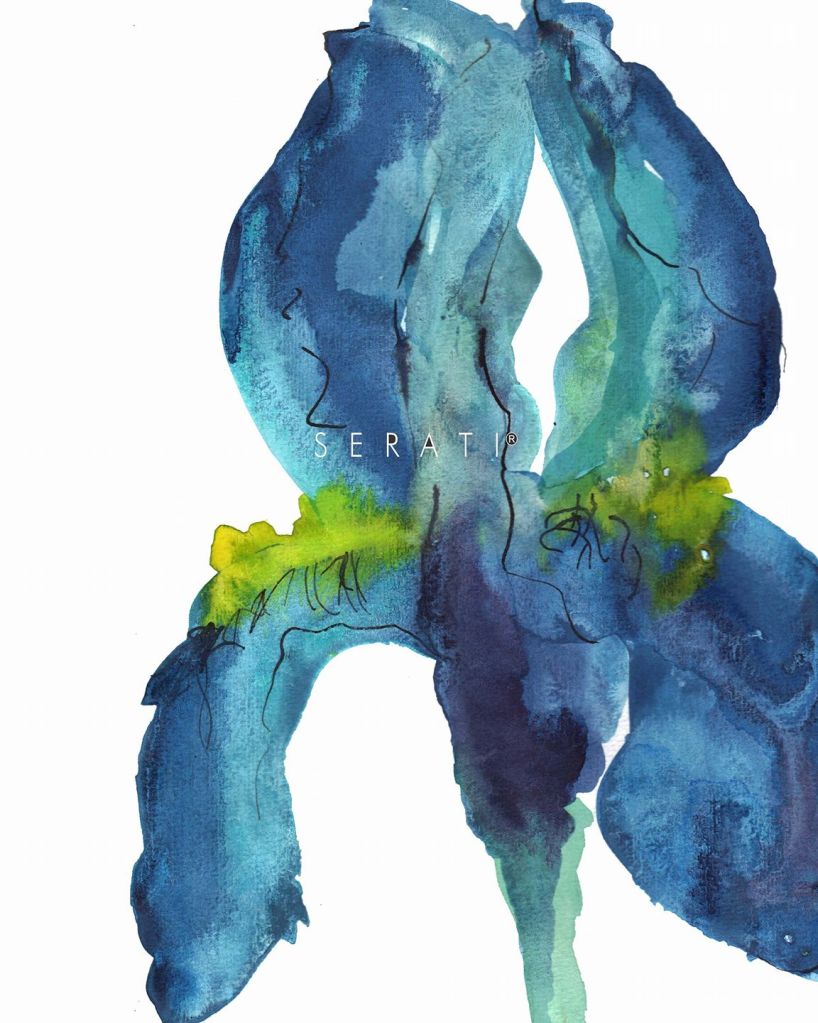
Image: Supplied by Ditiro Mashigo
King Gina is obsessed with legacy, cultural capital, and long-term brand equity. When you think about the next 5–10 years, what does legacy look like for you as an artist? Is it museum acquisition, global exhibitions, building a studio, creating collectible design objects, or shaping a new visual language for South African contemporary art?
For me, legacy is not singular; it is layered. Over the next five to ten years, I see my work entering museum collections and global exhibitions while continuing to expand into collectible design objects that sit comfortably between art, fashion, and material culture. I see myself building a fully resourced studio, which will be central to this vision. It will be a site for production, experimentation, and authorship.
Beyond visibility, legacy is about infrastructure. I am committed to establishing a cultural institution in rural Limpopo where my work can be archived, knowledge preserved, and new generations supported. This space would function as a studio, teaching site, and economic engine; rooted in place while connected globally.
Shaping a new visual language for South African contemporary art is inseparable from this vision. One that honours indigenous knowledge systems, material intelligence, and lived experience, not as nostalgia, but as forward-facing practice. For me, legacy is about building something that outlives me, serves others, and expands what is possible.
To learn more abour Ditiro Mashigo’s work, Serati Ltd and exhibitions, visit: http://www.ditiromashigo.co.za
 KING GINA