Why Real Wealth Still Signals Through Systems, Not Symbols.
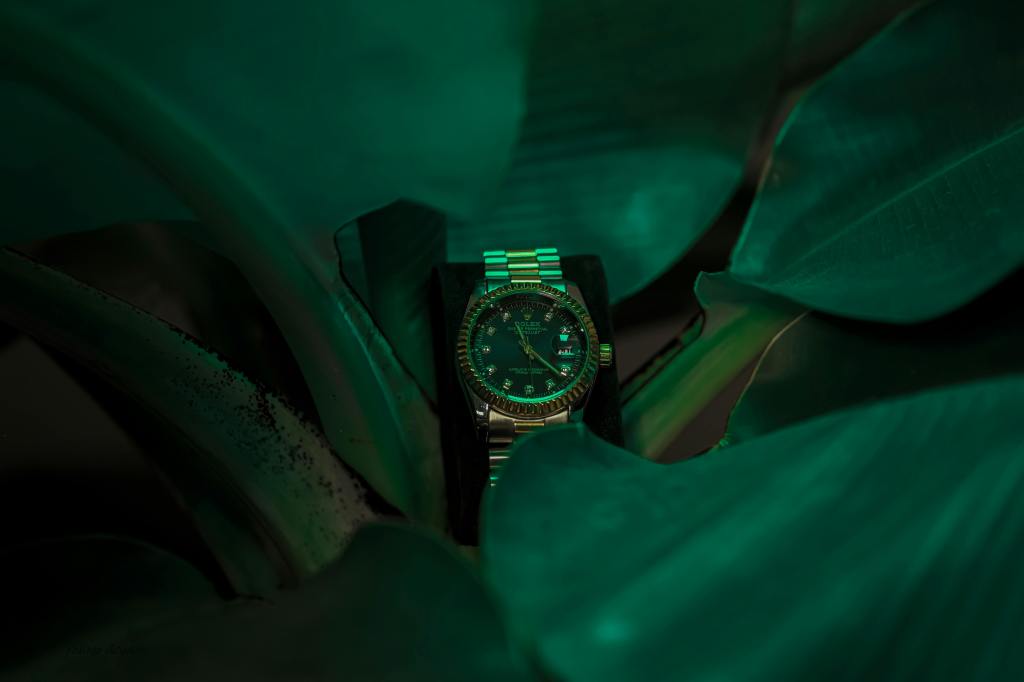
I’ve been thinking about this for some time, especially as brands like Loro Piana and Bottega Veneta began moving into more visible, mainstream distribution. It left me wondering whether luxury itself is having an identity crisis. Luxury once thrived on discretion. It operated on a quiet understanding of; those who know, know. Certain purchases arrived at significant life milestones: a Chanel 2.55 bag was a “big girl” purchase, a Rolex was a groom’s rite of passage, and a Ferrari signalled a midlife crisis or that you won the lottery.
Luxury had timing and thresholds. Some of those markers feel unanchored today. All it takes is an unboxing video or a Pinterest board to bypass the waiting. I recall recently seeing an image of two primary school kids with chocolate-toned LV monogram school bags on social media… In the words of Twitter/X users; “I am the first in my bloodline to witness such.”
Luxury hasn’t stopped being expensive. It has stopped being private. For decades, it functioned as a quiet language. You recognised the cut, the cloth, the restraint; or you didn’t. But post-COVID, quiet luxury became a trend. Taste became content. The algorithm replaced lineage. The codes were no longer lived; they were taught.
Today we remove the snobbery and do a deep dive into how the world of luxury has significantly changed over the years, and we look at which brands chose profit and which chose purpose as part of their brand strategy.
We will be discussing luxury brands as opposed to premium brands; those will be a topic for another day.
Quiet Luxury Gets Loud

Image: Getty Images
In the “old-money” viral series, Succession, the lead characters Logan and Kendall Roy appeared wearing Loro Piana caps and cashmere quarter-zips. I didn’t see it as costume styling but rather as a shift. Quiet luxury, which once operated as an insider language, had entered mainstream culture. For years, its power lived in discretion with its muted colors, disciplined tailoring, and materials that made sense only once you had lived in them. But as more people began to recognize and replicate those cues, what was once quietly understood became widely legible. Research from McKinsey & Company supports this, noting that as luxury has expanded, some of its traditional strengths, exclusivity and craftsmanship, have come under pressure from overexposure. From a strategy perspective, once a language must be explained to grow, it begins to lose the very nuance that once sustained its equity.
At the same time, the structure of luxury itself has been changing. Bain & Company estimates that the global second-hand luxury market reached around €33 billion in 2021 and grew much faster than new luxury, thus pointing to a shift from pure ownership towards access. I see this reflected in the rise of platforms such as Farfetch. However, heritage brands such as Hermès continue to reinforce waitlists and controlled distribution in order to maintain scarcity. Social media platforms have shortened trend cycles, making it easier for aesthetics to be copied and spread; a pattern that even Vogue has pointed out. From where I stand, luxury isn’t disappearing. It’s being reshaped. The real question now is how brands stay visible without losing the quiet signals that have always provided them with lasting value.
The Gatekeeping Starts at the School Gate

Image: http://www.businesstech.co.za
If you want the real status language in South Africa, stop staring at wrists and start watching the morning commute. The school run is where wealth appears without trying. Not because people are showing off, but because the infrastructure is impossible to fake for long. It’s dawn training sessions, water polo, hockey fixtures that require travel, rowing, equestrian commitments that swallow weekends, Craven Week, and other school rugby weekend activities in the Midlands. It’s the calm of parents whose schedules revolve around their children’s lives rather than the other way around. The car you arrive in matters less than the fact you can arrive at all; consistently, unhurried, and present. You can finance a luxury car but you cannot finance a childhood ecosystem that encompasses time sovereignty, transport capacity, club access, coaching, fees, and the emotional stability it takes to sustain it year after year. This is why the school gate often provides signals more than Diamond Walk in Sandton.
Luxury Without Limits is Just Retail

Image: https://lesfacons.com/2020/08/25/hermes-fall-2020-ad-campaign/
Scarcity is often misread as a short-term marketing lever, yet in true luxury, it operates as a long-term strategic framework. When I look at Hermès, what stands out is how deliberately scarcity is embedded into the business model itself. It is not used to stimulate demand in cycles; it is built into production capacity, distribution discipline, and client access. Hermès consistently articulates its strategy as one of exclusive and balanced distribution, choosing controlled growth in order to protect craftsmanship, preserve pricing power, and avoid brand dilution. This structural approach explains why it is still one of the most desirable products that has remained scarce even as global demand continues to rise.
Beyond products, scarcity functions as a signalling system within wealth ecosystems. It appears through limited access to institutions, selective school networks, irreplaceable property locations, invitation-based memberships, and the ability to control one’s time and visibility. These forms of scarcity are not transactional. They are cumulative and reinforcing. This is where quiet luxury is often misunderstood. The quiet does not reside in aesthetics or understatement alone. It resides in systems designed to remain selective over time. From a brand perspective, this is the difference between scarcity as a tactic and scarcity as structure. The latter sustains equity long after trends move on.
The Relationship Behind the Receipt
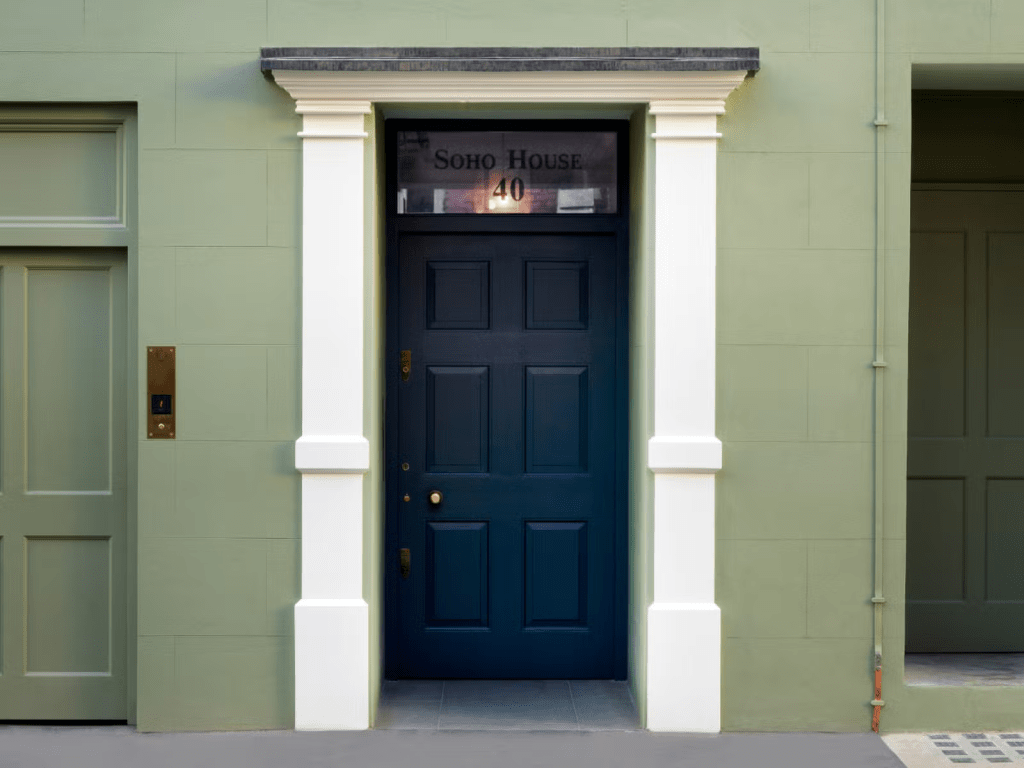
Image: http://www.sohohouse.com
Legacy families don’t want to be marketed to; they want to be understood. From my perspective, the brands that succeed here recognize that the ultra-wealthy aren’t chasing “attainable luxury”; they’re seeking alignment with their lifestyle, values, and sense of continuity. That’s why the strongest houses invest in infrastructure rather than hype. This looks like: private previews, appointment-only salons, made-to-order and atelier services, repairs and longevity programs, and discreet global recognition that follows a client from Johannesburg to Paris without announcement. The smartest brands operate at two speeds at once: broad cultural visibility for relevance and private client intimacy for equity. If the mainstream is the billboard, then the legacy client is the relationship ledger. The brands that make it sell continuity rather than novelty, and they survive trend cycles by refusing to let trends rewrite their operating model.
Luxury’s Most Strategic Placement – Art & Sports Sponsorships

There’s a truth about luxury that rarely gets said out loud: these brands don’t only sell products. They sponsor ecosystems. The wealthy don’t simply buy luxury; they live inside high-scarcity worlds like motorsport, yachting, golf, equestrian, tennis, and art patronage. These spaces are defined by barriers of time, access, and institutional belonging. In these rooms, sponsorship is not about reach; it is about cultural placement. When LVMH announced its 10-year partnership with Formula 1 beginning in 2025, spanning Louis Vuitton, Moët Hennessy, and TAG Heuer, I did not read it as mass marketing. I read it as symbolic alignment: precision, ritual, heritage, staged exactly where elite audiences already gather. These partnerships become clienteling in motion. They include but are not limited to: private hospitality, closed-door access, and relationship-building environments that mirror how luxury retail works behind the scenes.
Clienteling as a Private Banking Model
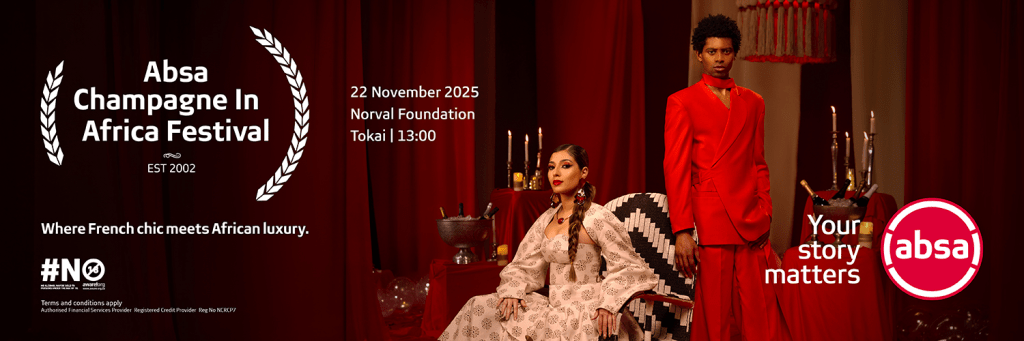
Image: http://www.quicket.co.za
I often think of luxury clienteling as private banking, translated into leather and cashmere. The campaign does not feel like an advertisement; it is a relationship file that holds purchase history, preferences, milestones, sizing, and travel patterns. In high-luxury fashion, service becomes anticipatory: it includes repairs, alterations, gifting, delivery, and discreet fittings. The product sits inside a broader promise that life will feel smoother within the brand’s world. South African private banking runs the same play, including the way banks curate cultural rooms that wealthy clients already trust. Absa does this through Champagne in Africa Festival, a flagship champagne and culture festival, and through Absa Jazz Sessions at Marble, an invite-only evening where music and fine dining become a controlled intimate experience. Standard Bank does it through environments like Standard Bank WineX, including an invitation-only opening night, their airport lounge for domestic travel, and through moments like the Standard Bank Polo Test Match at Val de Vie, where wealth is framed inside sport, heritage, and social proximity. Investec leans into this logic through its In Conversation Series, built as exclusive thought leadership events designed for clients who want access to ideas, insights, and networks in one room. What is being sold in all of these cases is not a transaction; it is friction removal, elevation, and continuity. The sense that a brand recognizes you and remembers you without prompting. That institutional memory is the quietest form of status.
Africa – Luxury’s Next Frontier
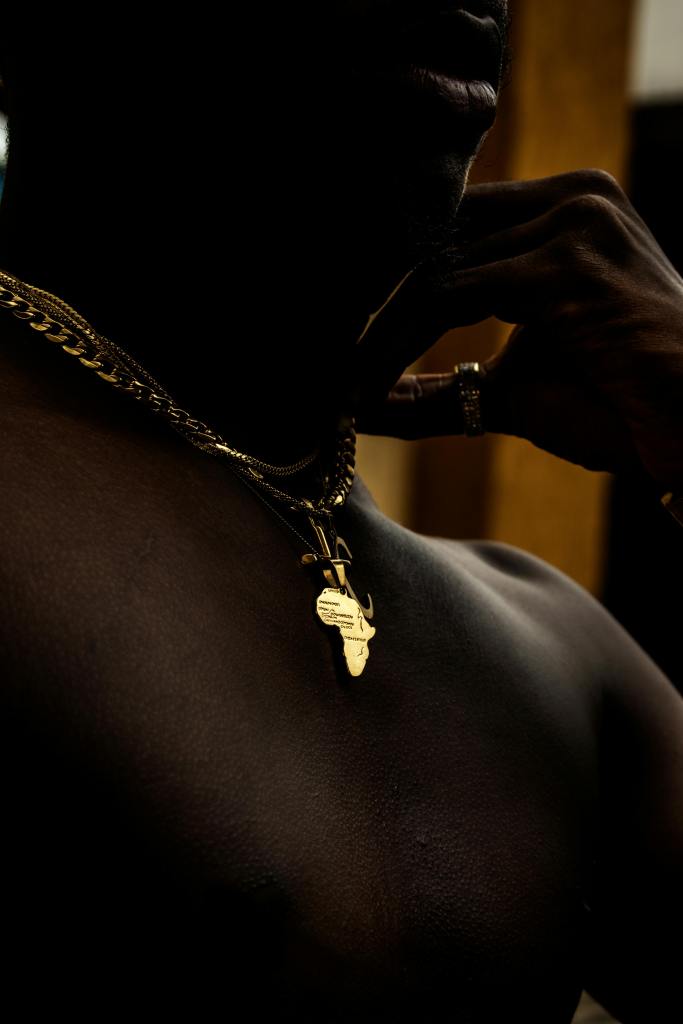
Image: http://www.pexels.com
I keep returning to a truth that unsettles my thinking about wealth and luxury. Africa today is home to roughly 122,500 millionaires and about 25 billionaires in US dollar terms, with hundreds of centi-millionaires spread across the continent’s major markets. This is documented in Henley and Partners’ 2025 Africa Wealth Report. Yet the global luxury world still often treats African wealth as an emerging market rather than a cultural continuum with its own histories of accumulation, legacy families, and deeply rooted elite networks. That disconnect matters because luxury clienteling is not just about spending power. It is about belonging to a cultural room that recognizes you and understands how status is carried and passed down in your world. When I interrogate the gatekeeping in how global brands engage Black wealth here, I realize that more work needs to be done. Not to teach this market its value, but to understand how prestige, heritage, and continuity have always lived here, even when they were ignored by traditional Western wealth narratives. Once a brand sees Africa as part of the story, it can start building relationships that feel sincere, attuned, and sustainable; which are the foundations of true luxury engagement.
Breaking Luxury’s Skylight Ceiling
If we were to keep it real, we would admit that true luxury has never been the handbag; it has simply been the most photogenic proxy. What the wealthy actually gatekeep is slower to build and harder to copy; time sovereignty, stable and resourced childhood ecosystems, access to institutions and networks, irreplaceable land and location, cultural fluency, privacy, and long-term thinking. This is why luxury will always feel conflicted in the age of social media, because most people chase objects since objects are visible, while the truly wealthy invest in systems, because systems are invisible and they compound. Sustainability, in brand terms, lives in a two-speed model; remaining culturally relevant enough to be desired, while staying structurally exclusive enough to remain meaningful. Measures like quotas at Chanel and distribution discipline at Hermès are not defensive gestures; they are efforts to preserve a private language once the public grows fluent. You can attain the look and assimilate the aesthetic; alignment with wealth systems remains the rarest luxury, and that is where the line is drawn.
Brand custodians have a lot to sit with; profit versus purpose, viral moments versus long-term equity, expansion versus restraint, because at the end of the day, it becomes difficult to serve two masters. Ask Gucci. Ask Louis Vuitton.
 KING GINA