

From Chanel to Thebe Magugu and Tongoro, let’s explore why fashion brands that invest in African art, craft, and cultural infrastructure compound authenticity and long-term brand equity.
As an aspirant patron of the arts and a lifelong scholar of luxury brand strategy, I have always been fascinated by the intersection of art and fashion. I am instinctively drawn to fashion houses that know how to weave art into their collections with intention, and even more so to those that act as true patrons of the arts rather than surface-level collaborators.
When I think back to the 1970s and 1980s, it often feels as though the art and fashion worlds sat at the centre of the cultural universe. Brands like Comme des Garçons emerged alongside a generation of artists such as Basquiat and Warhol, where fashion and art were building in parallel and collaborating with one another. In fact, that relationship never really disappeared as Jean-Michel Basquiat’s estate has gone on to collaborate with brands ranging from Tiffany & Co. to Reebok, Saint Laurent, and the Louis Vuitton Foundation.
However, this article is not about such collaborations…
It is about how some of my adored luxury brands build art into their collections, their philanthropy, and even their supply chains; quietly, deliberately, and for the long term. These brands understand a fundamental truth: brand equity is built through sustained resonance, not volumes. Notably, only a few investments achieve that as effectively as the arts.
As the saying goes, to be loved by an artist, is to live forever… or something along those lines.
CHANEL: ART AS AN INSTITUITIONAL POWER
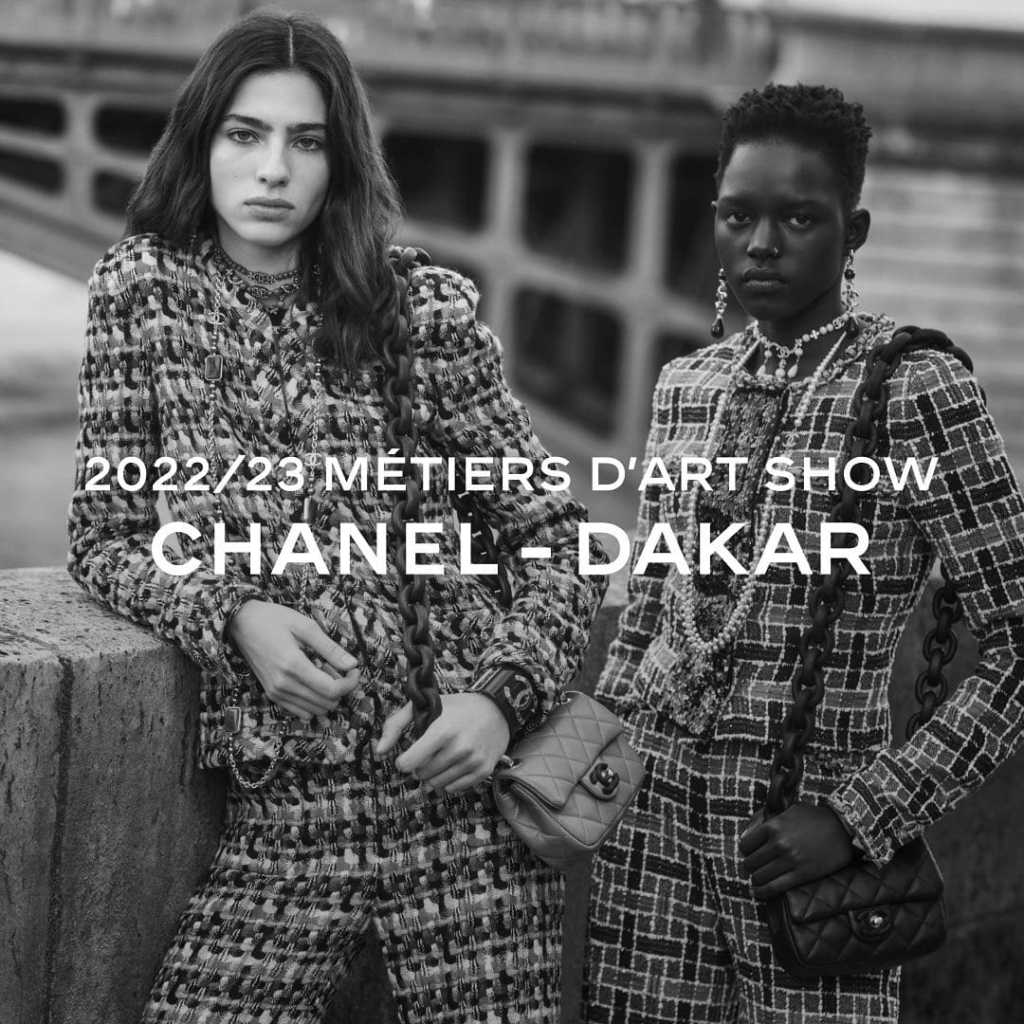
Image: @chanelofficial Instagram Account
As the long-standing self-appointed president of the Chanel fan club, the ultra-luxury fashion house continues to impress me with the way it approaches art; with patience and conviction. Their involvement is paced, layered, and speaks to preservation and sustainability through The Chanel Cultural Fund and Foundation Chanel.
Under the leadership of Yana Peel (President of Arts, Culture & Heritage at Chanel), Chanel has supported initiatives such as the Chanel Next Prize, the Chanel Connects cultural conversations, and Espace Gabrielle Chanel at the Power Station of Art in Shanghai; a public library and archive dedicated to contemporary art. Peel has also spoken about building long-term, non-transactional relationships with the arts, thus placing their focus on transformational support rather than short-term sponsorships and extending Chanel’s century-long legacy of cultural patronage.
That same way of thinking became clear to me through Chanel’s engagement with Africa. The Métiers d’Art 2022/23 show in Dakar felt less like a destination runway and more like a cultural moment. Under the leadership of Bruno Pavlovsky, the project unfolded as something intentionally layered, which extended into exhibitions, workshops, and the Dakar presentation of le19M, Chanel’s center dedicated to craft and savoir-faire. Pavlovsky has spoken openly in interviews about the idea that luxury houses can no longer arrive in a place briefly without meaningful engagement, and that philosophy was visible in how the Dakar program prioritized dialogue, education, and skills transmission.
What resonated with me most was the depth of commitment. Seeing African raw materials, including Senegalese cotton, enter conversations around Chanel’s responsible sourcing strategy marked a shift from symbolic reference to tangible value creation. African artists and cultural voices, including South African DJ Mandisa Radebe (DBN Gogo), were given space within Chanel’s global cultural platforms as part of a wider, ongoing dialogue rather than a single moment. For me, this is where the brand’s strength becomes unmistakable. When art is embedded through people, institutions, and long-term investment, brand equity grows quietly and becomes grounded in meaning, credibility, and continuity rather than momentum.
THEBE MAGUGU: ART AS INTELLECTUAL AUTHORSHIP

Image: http://www.wwd.com – Blake Woodhams/Courtesy of Thebe Magugu
What continues to draw me to Thebe Magugu’s work is how clearly art sits at the centre of his work. His collections feel as though they are built through research, conversation, and historical inquiry, often engaging writers, historians, and cultural thinkers as part of the process. The clothes are never decorative for their own sake; they are nuanced. His hauntingly beautiful prints carry meaning, the silhouettes reference uniforms, labour, and ceremony, and each collection reads as a considered body of work rather than a seasonal fashion statement. There is a quiet seriousness to how the garments are constructed and presented, which positions his fashion much closer to contemporary art practice rather than trend-driven design.
His approach has been recognized within major cultural institutions. Magugu’s work has been included in exhibitions at the Zeitz Museum of Contemporary Art Africa, positioning South African fashion within a museum context, and forms part of the broader Africa Fashion exhibition narrative shown at the Victoria and Albert Museum. His design titled Girl Seeks Girl was acquired by the Metropolitan Museum of Art, a significant marker of fashion being treated as a cultural artefact. While the 2019 LVMH Prize brought global fashion recognition, it is this institutional validation that most clearly speaks to the long-term cultural value of his work.
Thebe Magugu expanded his work beyond clothing by launching Magugu House in 2023. It is a stunning physical space conceived as a home for dialogue, learning, and cultural exchange. Magugu House operates as a multidisciplinary platform that hosts talks, exhibitions, readings, and educational programming that bring together fashion, art, literature, and social history. This reflects a belief that fashion does not exist in isolation, and that cultural production is strengthened when ideas are shared openly and accessibly.
For me, Thebe Magugu represents a compelling model of African luxury grounded in authorship and cultural responsibility. Art is not layered onto the brand after the fact; it informs the research, the clothing, the institutions that collect them, and the spaces created around them. Through intellectual clarity, meaningful collaboration, and a commitment to building cultural infrastructure, Magugu’s work perfectly illustrates how fashion can contribute to heritage while building brand equity that is credible and deeply authentic.
TONGORO – ART AS PROVENANCE AND PAN-AFRICAN PRODUCTION
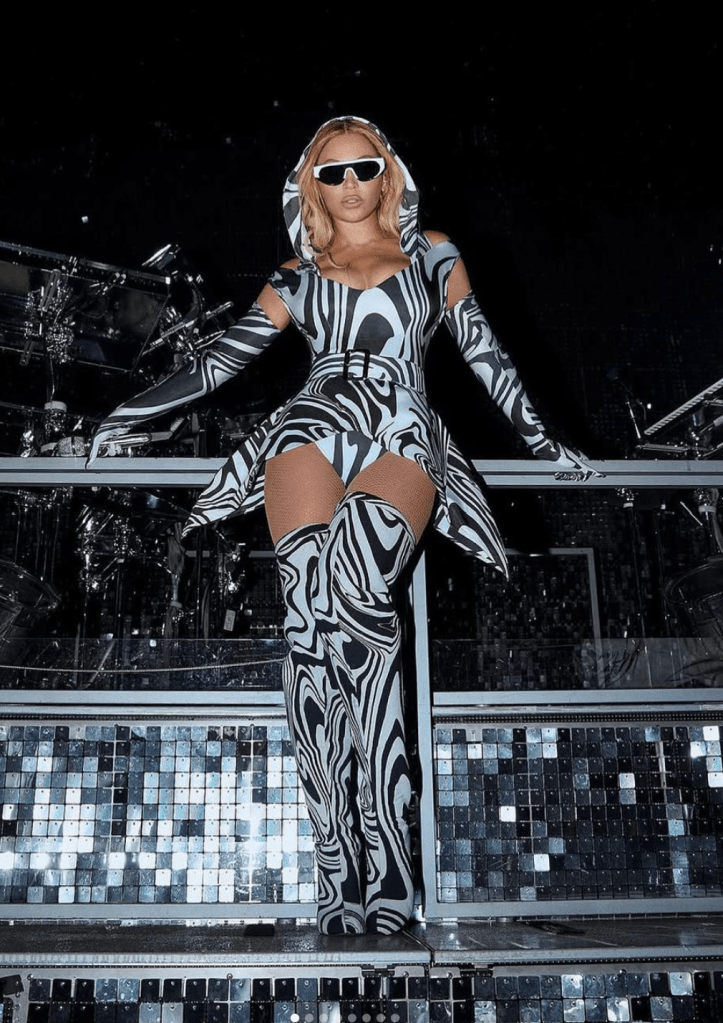
Image: @tongorostudio – Beyoncé wears Tongoro for the Renaissance World Tour
I know that I am late to the party; however, a brand that has recently been on my radar is the Senegalese brand Tongoro, with its unapologetic “Made in Africa” positioning.
Founded in 2016 by Sarah Diouf, the brand was established as a luxury house designed and produced in Dakar. Tongoro makes it clear that it is not an export-led brand borrowing African references from a distance. Diouf has openly acknowledged that Tongoro’s visual language draws strongly from African studio photography and portraiture, thus giving the brand a recognizable aesthetic that feels cohesive. In this case, fashion operates as cultural production, which is why when Tongoro appears in international editorials or within museum-led contexts such as Africa Fashion (a fashion exhibition created by the Victoria and Albert Museum that celebrates the creativity, history, and global impact of fashion from across the African continent), it feels part of a broader African fashion canon rather than a seasonal trend.
Tongoro carries through its “Made in Africa” brand ethos through its intentional supply chain. Tongoro works with local tailors in Senegal and sources materials across the African continent, keeping skills, labour, and value rooted where the story begins. That operational discipline lends credibility to the brand story and allows the clothes to carry meaning beyond aesthetics. For me, this is where authenticity becomes tangible. Art direction, production, and provenance are aligned, and the result is a brand that feels authentic in both intention and execution.
Today, Tongoro occupies space on the global stage while remaining anchored in Dakar. The brand continues to produce locally while serving the international audience through high-profile cultural visibility, including moments when Beyoncé, Naomi Campbell, and Alicia Keys have worn Tongoro in contexts that became part of global visual culture, such as Beyoncé’s Spirit music video, The Renaissance World Tour, and the first night of the Cowboy Carter concert in Texas, where Beyoncé wore Tongoro’s shimmering custom bodysuit featuring 444 golden cowries and 44 crystals, styled by renowned costume designer and stylist Shiona Turini.
For me, Tongoro demonstrates how art, when paired with a disciplined pan-African production model, can build brand equity that is rooted in culture, sustained by practice, and capable of growing without narrative dilution.
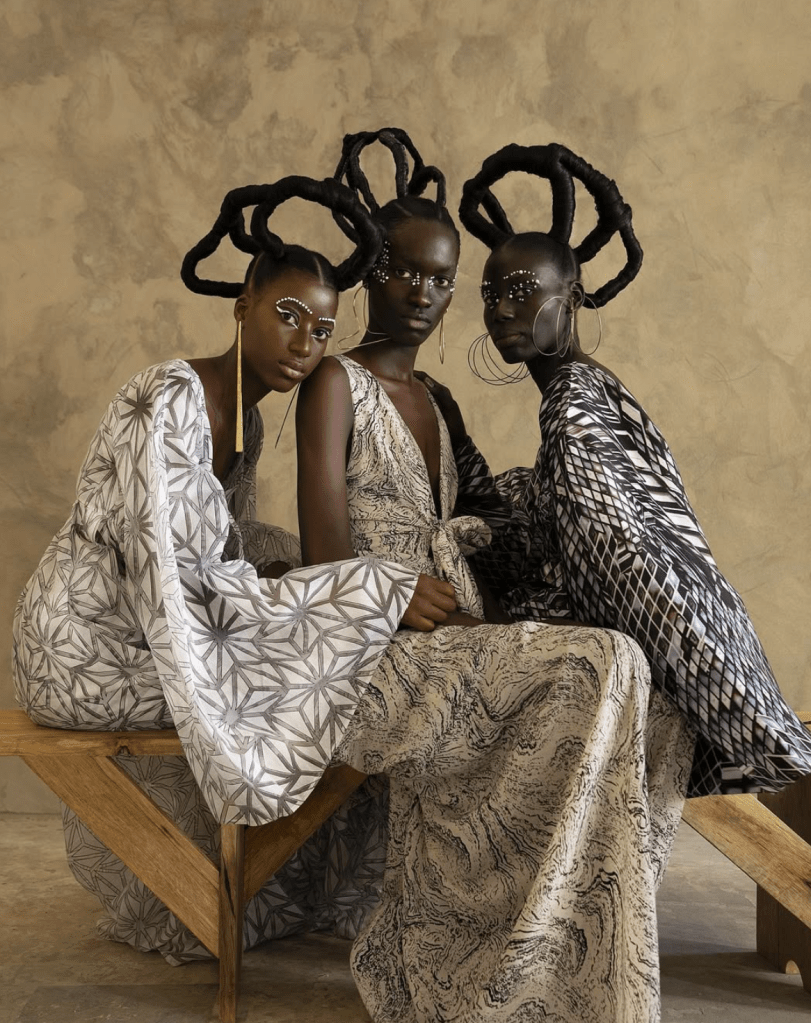
Image: @tongorostudio Instagram Account
This exploration has reinforced a belief I return to often: true luxury is built through intention rather than immediacy. When art is embedded in a brand’s collections, philanthropy, and supply chain, it creates resonance that extends beyond seasons and trends. Art gives brands memory, depth, and the capacity to endure.
What becomes considerably compelling is when this commitment is grounded in Africa. When African art, craft, and production are treated as sources of value rather than reference points, authenticity becomes structural. Skills are preserved, culture is protected, and brand equity deepens through credibility rather than volume. The brands that understand this do not chase relevance; they build it quietly and sustainably, through culture, patience, and a long-term vision.
 KING GINA