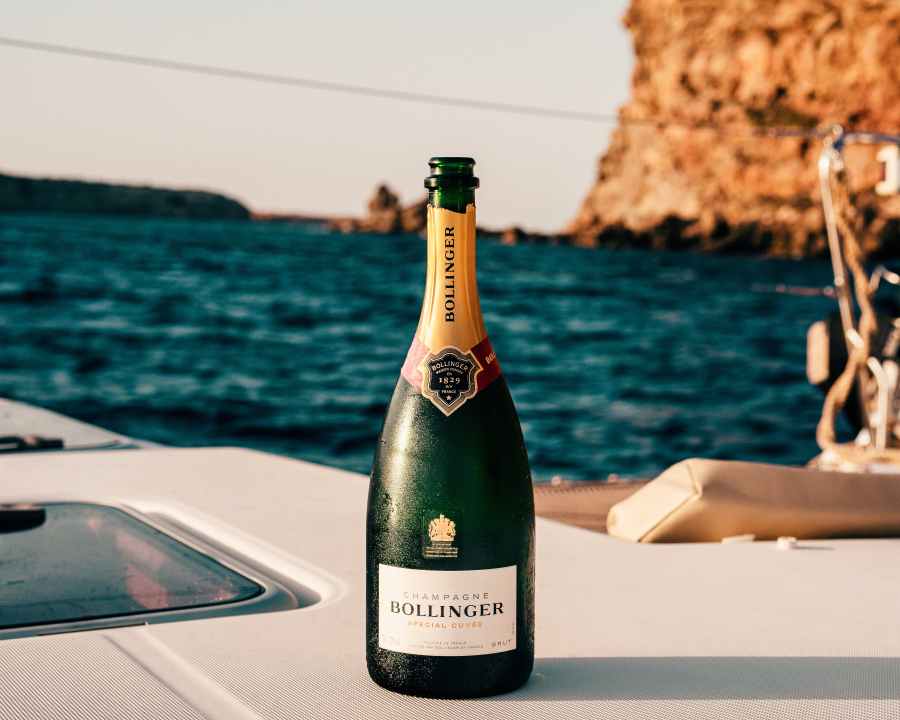
Photo: Sebastian Coman Photography
Friday, 27 October was Global Champagne Day and The Springboks won the Rugby World Cup for the Fourth time on Saturday, these are all great reasons to celebrate with a glass of bubbly all week, this week. We also have ABSA’s iconic Champagne in Africa Festival coming up in November, so it’s the perfect time to unpack King Gina’s Top 10 Champagne brands of all time.
From the renowned “blind monk tasting the stars” (Dom Perignon P2) to the champagne bottle that had its color changed because the Tsar wanted to ensure that there wasn’t a bomb inside the bottle (Louis Roederer’s Cristal). Let’s explore the stories behind the champagnes that I have enjoyed over the years. Although this is not a complete list, these are the ones I highly recommend. I have also split the Top 10 into two parts, both parts include five champagne brands each (plus a bonus mention to look out for in the market).
To begin with, let’s recite the champagne anthem or pledge in the words of Madame Bollinger: “I only drink champagne when I’m happy, and when I’m sad. Sometimes I drink it when I am alone. When I have company, I consider it obligatory. I enjoy it if I am not hungry and drink it when I am. Otherwise, I never touch it – unless I’m thirsty.”
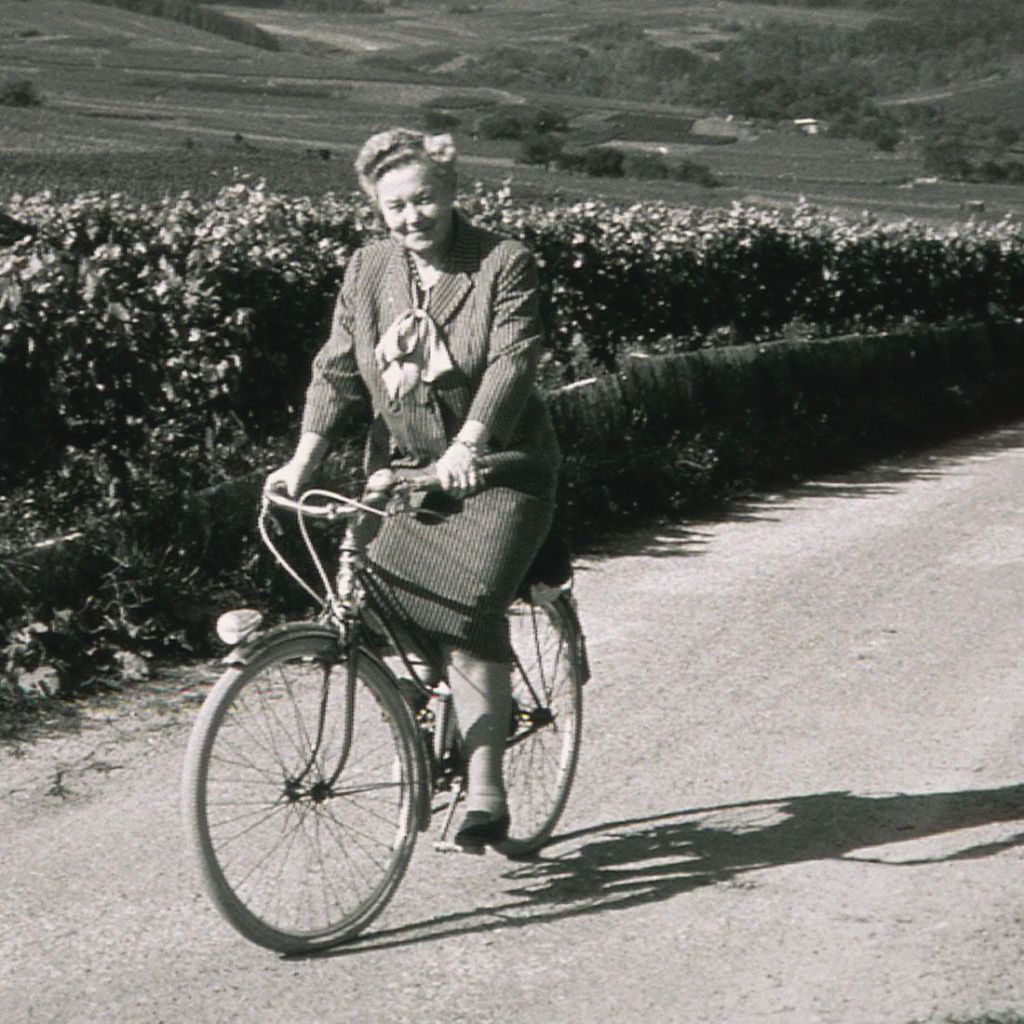
Photo: Madame Bollinger – Champagne Bollinger Website
What is Champagne Day?
The annual Champagne Day was launched in 2009 by Chris Oggenfuss, a blogger and wine tutor from California. It has grown into a worldwide celebration embraced by champagne enthusiasts everywhere. Famous champagne brands join in by organizing their own extravagant events, filled with joyful and effervescent celebrations. Champagne Day is observed on the fourth Friday of October each year.
Concise King Gina Glossary
Champagne
Champagne is made in France using grapes grown in the Champagne region. It goes through a second fermentation process in the bottle.
Methode Cap Classique (MCC)
Methode Cap Classique (MCC), also known as Cap Classique, is South Africa’s answer to champagne. The method of producing MCC is the same as that of champagne. The only difference is that the grapes are not from the region of Champagne in France. South Africa’s MCC does give French champagne a run for its money in some instances.
Cuvée
In the context of champagne, the French term cuvée refers to the first-pressed and best juices of the grapes used. The term also connotes prestige or quality. The term is not regulated and can easily be misused. Out of the context of champagne, cuvée refers to the blend of more than one grape or wine from special vats or barrels.
Blanc de Blancs
The term “Blanc de Blancs” refers to wines which do not have any black grape varieties. It is solely made from one or more white grape varieties, typically, Chardonnay and other white grape varieties such as Arbane, Petit Meslier, Pinot Blanc or Pinot Gris, which can be included in the blend. This style of Champagne is light to taste and is all about finesse.
5 OF OUR TOP 10 CHAMPAGNES OF ALL TIME
Krug Grande Cuvée Brut
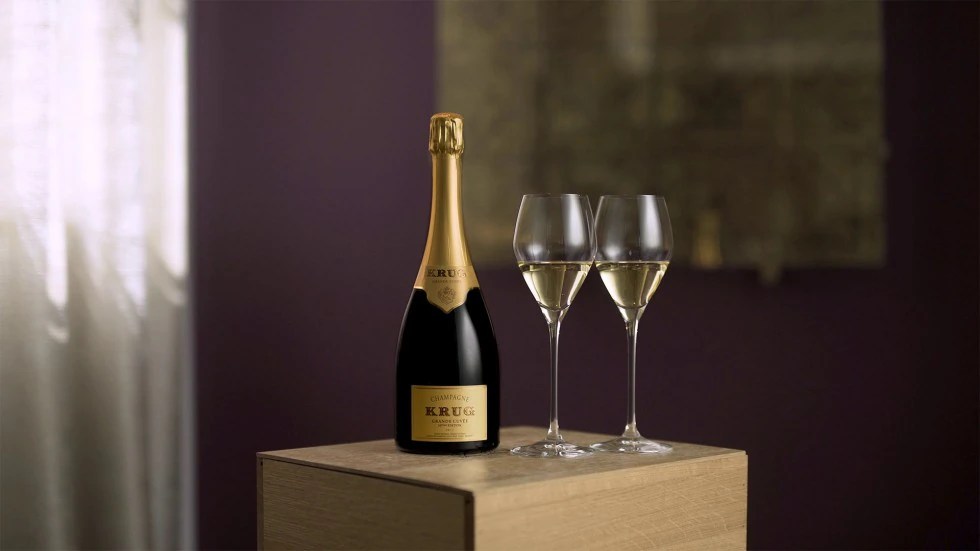
Photo: http://www.krug.com
In my early twenties, I was out celebrating my birthday when a mutual friend overheard my companion mention that it was my birthday. They subsequently bought me two bottles of Krug Grande Cuvée to celebrate, and it was life changing. I had never tasted anything like it before. When reminiscing, I can still taste the lingering notes of honey and almond on my tongue. It is simply luxurious and stunning, and if not careful, you can definitely end up indulging in more than one bottle. For special occasions, I still pull out the Krug Grande Cuvée to impress guests when I am hosting. It also makes the perfect birthday, graduation or wedding gift.
The prestigious House of Krug was founded in 1843 by Joseph Krug. He was known for creating champagne that could withstand climatic conditions and the concept of good and bad years. Joseph was initially employed by Jacquesson, which was the leading house of the time. He then became a partner at the champagne house. At the age of 42, he founded one of the most iconic and celebrated champagne brands in the world. From its inception to this very day, Krug is the first champagne house to create prestigious champagnes every year.
According to the website: “Krug Grande Cuvée is the archetype of Krug’s philosophy of craftsmanship and savoir faire: a blend of more than 120 wines from ten or more different years. Its exceptional finesse is the result of a stay of at least another six years in the cellars. Over twenty years are needed to craft each bottle of Krug Grande Cuvée: the first prestige cuvee re-created each year, beyond the very notion of vintage.”
Krug holds a Royal Warrant from Her Late Majesty the Queen of England.
Ruinart Blanc de Blancs

Photo: http://www.ruinart.com
Ruinart Blanc de Blancs is the Krug Grande Cuvee Brut of my thirties. It tastes like you are drinking liquid gold. It is not excessive in its nature. It is supple and well-rounded in taste. From the packaging to being a blanc de blancs to the notable notes of peach. I cannot fault it at all. I reserve Ruinart Blanc de Blancs for special occasions and special people in my life.
Dom Thierry Ruinart was a Benedictine monk who lived from 1657-1709 and was a contemporary of Louis XIV. At the age of 23, he left his home in Champagne to go to the Abbey of Saint-Germain-des-Prés, near Paris, where he then learnt about a new “wine with bubbles” that was already popular among young aristocrats. In 1729 Nicolas Ruinart, Dom Thierry’s nephew, drafted the founding charter of Maison Ruinart, thus creating the world’s first ever champagne-producing company.
Not only is Ruinart Blanc de Blancs delicious, but it has also positioned itself as a pioneer of sustainable packaging in the champagne market. In 2020, Maison Ruinart made the decision to substitute its single boxes with a second skin presentation case, which has proven to be nine times lighter than its predecessor. The case is recyclable and has been stylishly molded into the shape of the bottle. Through this, Maison Ruinart’s carbon footprint has been reduced by 40%.
Billecart-Salmon Brut Rosé

Photo: Instagram – @champagne_billecart_salmon
This champagne is my dinner party, New Year’s Eve, vacation, and “good news” champagne. This cuvée can be considered a reference point among champagnes. It is the perfect blend of Chardonnay, Meunier, and Pinot Noir vinified as red wine. I remember tasting it a few years ago, and I fell in love with its subtle pale pink shade with shimmers of gold, its light and elegant flavor with fine notes of berries and citrus fruits. For me, Maison Billecart-Salmon has produced the best brut rosé I have ever tasted.
Maison Billecart-Salmon was founded in 1818 in Mareuil-sur-Aÿ by married couple Nicolas François Billecart and Elisabeth Salmon. Subsequently, Elisabeth’s brother, Louis Salmon, joined forces with her husband, Nicolas. Nicolas oversaw all the commercial activity of the Maison while Louis dedicated himself to the creation of the champagne as he was passionate about oenology.
During a brand repositioning activity in 1993, the eldest son of Jean Roland-Billecart bought back the champagne stocks from the supermarkets and concentrated the distribution towards independent retailers and fine dining establishments. Today, Billecart-Salmon champagne is available worldwide and can be found in retailers and selected restaurants.
Laurent-Perrier Cuvée Rosé

Photo: http://www.laurent-perrier.com
The only rosé to rival Billecart-Salmon in my heart would be Laurent-Perrier’s Cuvée Rosé. But then again, there is nothing I do not love from Maison Laurent-Perrier; their La Cuvée Brut NV is beautifully made too. The champagne house created a 100% Pinot Noir grape stunner that is so smooth yet intense and seductive. The Cuvée Rosé captivates you with its traditionally shaped bottle and pretty salmon hue with dancing bubbles in a flute. Expect an elegant burst of red fruits on the palate.
Maison Laurent-Perrier was founded by André-Michel Pierlot in 1812. After his death, his son Alphonse Pierlot, sold it to his cellar master Eugene Laurent as he had no descendants. After Eugene Laurent’s premature death, his widow, Mathilde-Emilie Perrier named the company Veuve Laurent-Perrier, as veuve means widow in French. In 1939, a widow with four children named Marie-Louise de Nonancourt, bought Domaine Laurent‑Perrier. In 1999 The Laurent‑Perrier Group was listed on the Second Marché of the Paris Stock Exchange and in 2023, the Group appointed Maximilien Bernardeau as Cellar Master and Wine Manager.
Laurent- Perrier has received a Royal Warrant from HRH the Prince of Wales.
Egly-Ouriet Brut Tradition Grand Cru
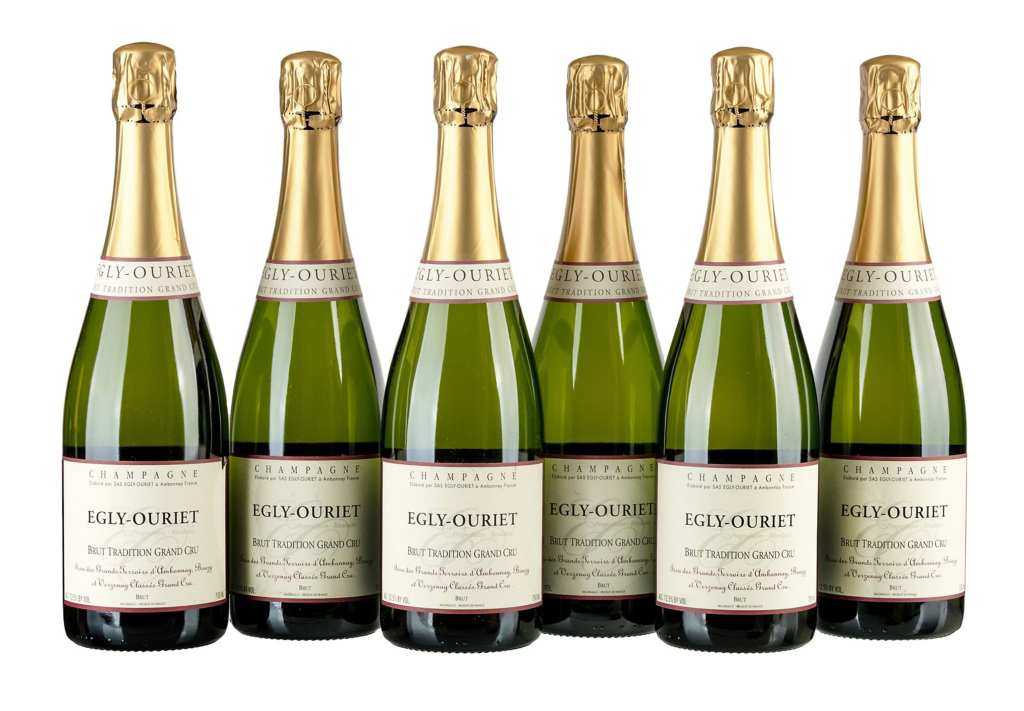
Photo: http://www.straussart.co.za
The first time I had Egly-Ouriet Brut Tradition Grand Cru, I was met by an unassuming bottle that over-delivered in terms of taste, despite the blasé attitude of the host who was serving it, and its packaging that did not initially grab my attention like the previous contenders mentioned. Little did I know that I would be enamored by the bold notes of apples, pears, brioche, and lime blossom. After finishing my first glass, I quickly grabbed my phone to consult my Vivino app to fully comprehend what I had just consumed… A masterpiece.
It is no wonder that in 2018, acclaimed wine critic and Champagne expert Tyson Stelzer named Egly-Ouriet as one of the Top Four Producers in Champagne, earning a perfect score of 10/10 – alongside Krug and Bollinger.
Egly-Ouriet is slowly making waves in the champagne world and has grown a cult following which is a result of its glowing accolades with just 12 hectares of Grand Cru vineyards.
Francis Egly, the fourth generation of the family, takes pride in incorporating natural methods to the management of the vineyards. He, however, has not labelled himself as an organic or biodynamic wine producer, although he is referred to one in the industry. He has also increased the estate’s production overtime compared to the period in the 1950’s when his grandfather was in charge, producing wine enough to gift family and friends.
Veuve Clicquot Ponsardin Brut Yellow Label
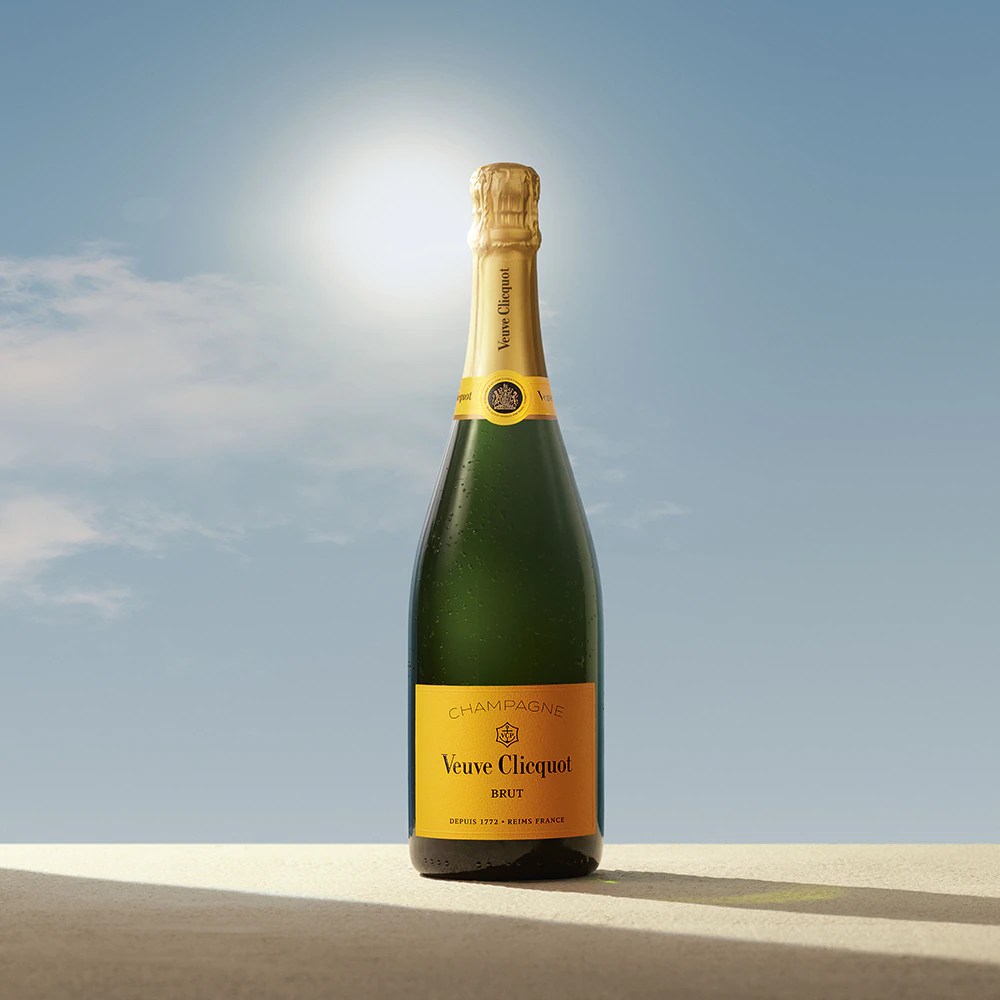
Photo: http://www.veuveclicquot.com
I consider Veuve Clicquot Brut Yellow Label as my go-to everyday champagne. You can never be disappointed by its crisp and fresh taste and its yellow-golden tone that instantly lifts your mood. I can have Yellow Label for breakfast, lunch and dinner. And I am a really big fan of the story behind The Maison and how the new generation has continued to champion women in all vocations. The champagne was made by a woman and was later successfully marketed globally by another woman, Mireille Guiliano.
Madame Clicquot was born in 1777 in Reims. She was the daughter of Baron Nicolas Ponsardin and went on to marry the son of the founder of Maison Clicquot; which had a diverse portfolio that included the production of champagne. After the death of her husband, she became the first woman to take up the reins of a champagne house.
Another iconic woman behind the global growth of the brand was author Mireille Guiliano. She was the spokesperson of the champagne brand and the President and CEO of Clicquot, Inc. (under LVMH). The champagne’s brand equity grew under her leadership, and she increased its market share in America from one percent to 25 percent during her tenure.
Veuve Clicquot Ponsardin holds a Royal Warrant from Her Late Majesty the Queen of England. This means that it is one of the companies that supply the British Royal Family with champagne. The brand falls under the prestigious luxury brand group LVMH.
BONUS MENTION
Champagne Deutz
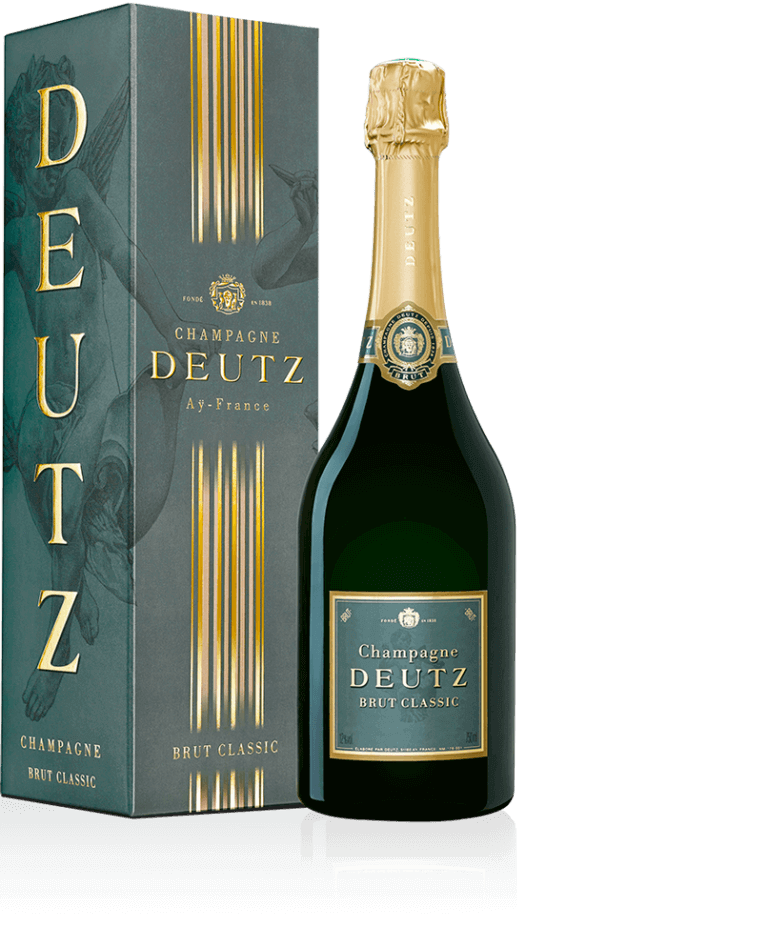
Photo: http://www.champagne-deutz.com
I was introduced to Deutz by a good friend in Cannes, while on holiday. When we got to the restaurant, I instinctively ordered Billecart-Salmon brut rosé because it was my birthday the next day. He stopped me in my tracks and begged me to try Deutz and so I did, and it tasted amazing. I thoroughly enjoyed it; however, it did not convert me to completely abandoning my trusted Billecart-Salmon. However, I am pleased to see that the champagne brand is infiltrating the South African market and look forward to enjoying it more locally.
Maison Deutz was founded by William Deutz and Pierre-Hubert Geldermann in 1838. The champagne is produced in the vineyards of Aÿ.
In 1983, Maison Deutz was acquired by Louis Roederer which owns a holding in the Bordeaux wine estate of Chateau Vernous and the Rhone estate of Delas Freres.
THE REST OF THE TOP 10 WILL BE RELEASED MID-NOVEMBER 2023…
 KING GINA