Photo: Josh Sorenson
The world of luxury is one that I have been enamoured by from an early age. For me, luxury was the feeling of quality materials like silk, linen and cashmere on the skin. It was fine jewellery and gemstones, and it was dining at Michelin Star restaurants across Europe. And as I have grown older, it now includes even more fulfilling aspects and experiences. My ideal luxury experiences are purchasing a Gerard Sekoto at a Sotheby’s auction and spending hours on end admiring it at home; it is chasing shadows of an Edoardo Villa sculpture in a lush green backyard. It is drinking warm Bordeaux in Courchevel after skiing down the slopes on an annual December ski trip. It is sunbathing at yacht week. It is shopping on Bond Street and high tea at The Ritz. It is enjoying a crisp bottle of Palladius wine with loved ones in a villa in Langebaan. Luxury means time, convenience, access and freedom to me.
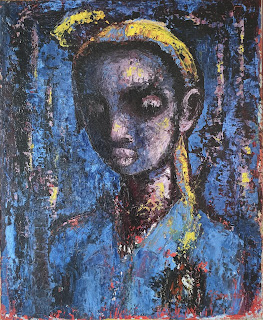
Photo: Sotheby’s Website
The first half of 2023, we were inundated by the influx of Stealth Wealth and Quiet Luxury Core which was ushered in by Logan Roy and his family on one of my favourite TV shows, Succession. We consumed think pieces that unpacked the Loro Piana sweaters, the Panerai timepieces and brands such as luxury leather goods manufacturer Bottega Veneta on social media. In the eye of the Stealth Wealth storm, there was a smidgen of gate keeping taking place, because Stealth Wealth brands are not as accessible as some other luxury brands that tend to dabble in logomania from time to time. The price point could be and still is a barrier to ownership for many. At that moment in time, luxury had started becoming synonymous with old money again and as much as that still holds some truth to it, it is not entirely the case in this age where we are witnessing the slow democratisation of luxury – in real time.
The Merriam Webster Dictionary defines luxury as “a condition of abundance or great ease and comfort: sumptuous environment or an indulgence in something that provides pleasure, satisfaction, or ease.”. Now, that is a definition I can get behind. An abundance, a great sense of ease, pleasure, decadence… and only you can decide how that looks like for you. Yes, there’s definitely a universal standard of luxury consumption that says cashmere over polyester, Chateau Petrus or De Toren The Black Lion over Pap Sak and Chanel over Fast Fashion. When you start appreciating luxury items, you realise that luxury is defined by precision, passion, quality and craftsmanship. The experience derived from purchasing luxury items can never be experienced in the procurement of their fake counterparts because YOU will know that the craftmanship lacks integrity and care. It has to be said; there is no dignity in buying a counterfeit luxury good out of the boot of a car or at a flea market.
Luxury is an Experience
Luxury pays attention to every touchpoint that the consumer may encounter. From the hotel doorman to the Client Advisor at Burberry, to the glass of champagne served as you browse through the store or when you check into your favourite hide-away over the summer… the theatre behind this is necessary in delivering to you an experience that affirms that “you are seen, you are important, and you are worthy“. The hospitality matters, the personal shopping experience has to be there, the user experience (if online) needs to be seamless, secure and bespoke. Therefore, luxury evokes emotions; it conjures a high that you would not get from buying bread at your local supermarket. And you won’t get that feeling from buying an Alma bag from The Boys at The Gate (as they call them on Tik Tok) either. It feels like a conquered summit with every purchase because luxury is aspirational in its form and its brand communication to the public. We see the importance of the shopping experience by the long queues outside Louis Vuitton and Gucci stores across the world, in an effort to not compromise the exclusive and attentive experience that they offer in store. Alternatively, when you have the right relationship and the pocket to match, you can have the store to yourself for a few hours… the ultimate luxury buying experience.
Luxury brands have now taken their ability to create an elevated experience to another level by launching their own cafes and restaurants. LVMH has taken the lead on venturing and investing in stand-alone and pop-up Dior Cafes and restaurants worldwide which I will discuss in another blog solely focusing on this phenomenon.
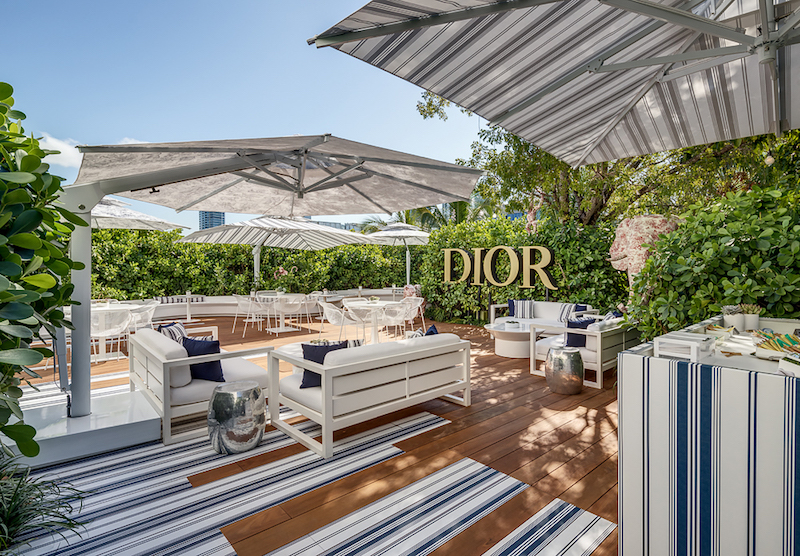
Photo: Doo Architecture Website
Luxury is Sophisticated Craftsmanship
The traditional values of luxury are deeply entrenched in quality craftmanship. The bag I carry often in my collection is my beloved Bottega Veneta bag, it is the most durable and stylish of them all and it complements a lot of my outfits. The intrecciato (braided) weaving on their bags became the brand’s distinctive motif in the 1970’s and is still appreciated today by Bottega lovers. This technique has resulted in Bottega Veneta’s intrecciato woven bags possessing a higher quality of leather than most standard luxury bags, and for me; this justifies their price point.
Note: When shopping, always investigate the materials used, the sewing techniques, the durability and not only the aesthetic. This will ensure longevity, resale appeal and you will also view the purchase as an investment (Case in point: The Chanel 2.55 bag and the Hermes Birkin Bag).
Luxury has gone Sustainable
We are in the age of sustainability and ESG metrics. Corporations have had to assimilate and align themselves with the UN’s Sustainable Development Goals and honour the Paris Agreement. This has impacted the supply chain and operations of luxury brands (from hospitality to fashion to travel and to every other industry). Luxury has become about values and responsibility. The new generation of luxury brand consumers are very conscious of their own footprint and consumption of luxury. This has seen the rise of the second-hand luxury goods market, where consumers buy thrifted luxury items at reputable dealers for a fraction of the original price, thus driving accessibility, sustainability and inclusivity. We have also seen the rise of memberships, subscriptions and ride-hailing platforms instead of the ownership model. Companies such as Uber have differentiated their offering for their high-end customers with products such as Uber Black and Uber Copter (Available in New York). Other differentiated offerings that are more sustainable than owning include yachts, private jets and villas/mansions (AirBnB) with a sharing, leasing or subscription/membership model. We have also seen the sprout of luxury clothing and handbags for hire too. This model used to be predominantly used for wedding dresses and suits by clothing stores such as Eurosuit in South Africa.
We are also witnessing the rise of the eco-friendly resorts and safaris that make use of alternative energy and sustainable practices without compromising the luxury experience. I enjoyed my experience at one of South Africa’s best Eco-luxe safari lodges, Lepogo Lodges, where it was evident that conservation and sustainability are at the heart of their operations.
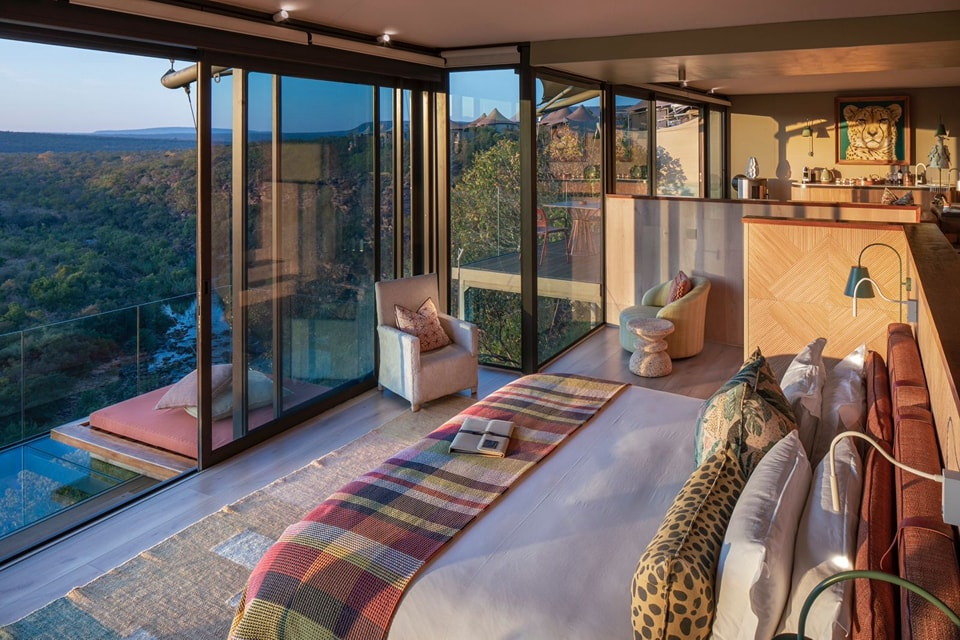
Photo: Lepogo Lodges Website
Collaborative Brilliance
The rise of collaborations between luxury brands, premium brands and celebrity brands is one to look out for as luxury fashion casts a wider net in the consumer market. The cross over has been successful in most cases and I believe that the consumers of such collaborative efforts have become customers of all the brands of the collaboration and not just one. These collaborations have made luxury brands more accessible and appealing to the premium brand consumer and in some cases, added the “edginess” that the new generation appreciates. Some of the collaborations that have caught my eye include but are not limited to Louis Vuitton and Yayoi Kusama, Thebe Magugu and Dior, Tiffany & Co and Nike Air Force Ones, Jimmy Choo and Pretty Guardian Sailor Moon, Tiffany & Co and Fendi, Fendi and Skims and Moncler and Adidas.
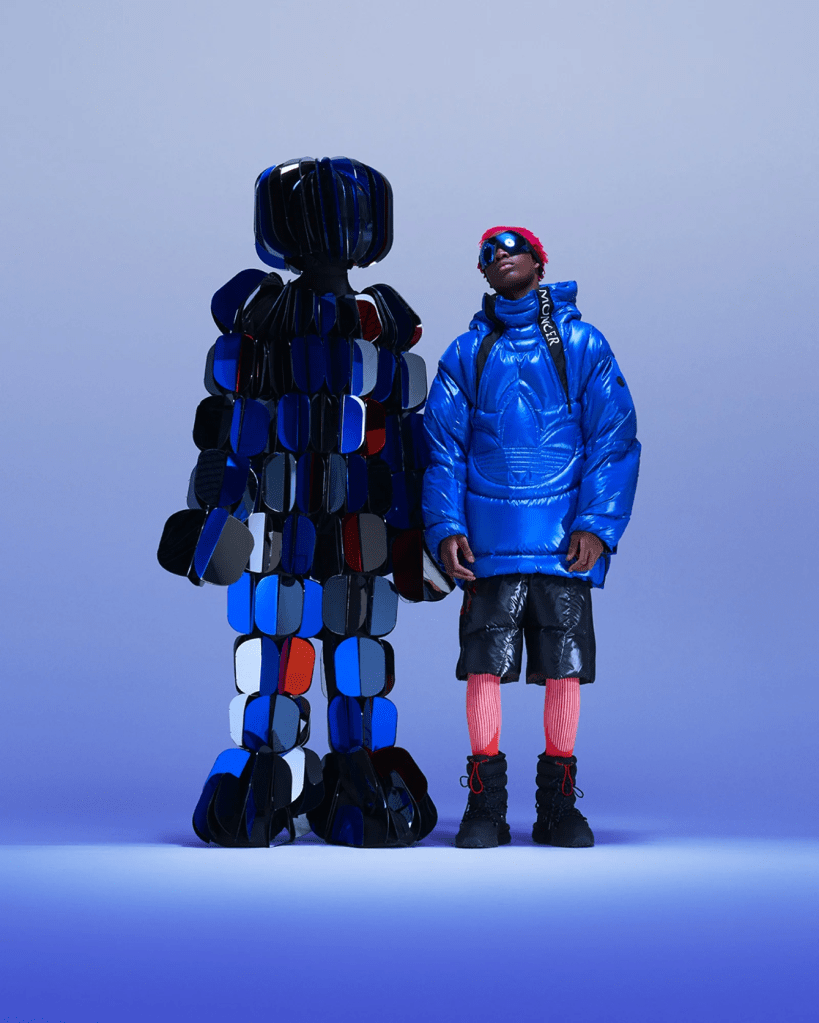
Photo: Moncler Website
In order to resonate and capture the next generation of luxury brand consumers, corporations that own these brands will need to look beyond heritage and craftsmanship. The new school is not going to wait on a trip to Paris to get the latest designer handbag and shoes when they can order it on Mytheresa and Net-a-Porter. The new school is thrifting vintage. The new generation wants to know how the products were made and the impact of production on the environment and society. The new school is not gate keeping, they are inclusive and seek attainable luxury that they can purchase without having to wait until they turn 50. The new generation has new disposable money that they are ready to spend on their guilty pleasures. Will our favourite heritage and ultra luxury brands keep up or will they be content with remaining as family heirlooms for the world’s 1%?
 KING GINA